
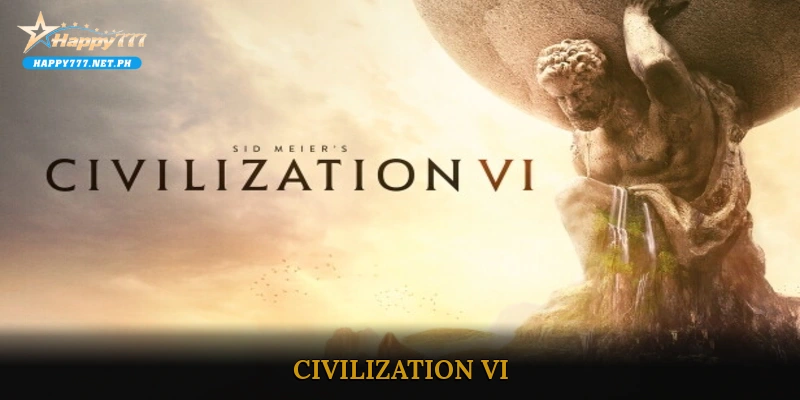
Civilization VI is a turn-based strategy game where players lead a civilization from ancient times to the modern era. Every decision—from city development to diplomacy, warfare, and technological research—shapes the destiny of your empire. Strategic planning, resource management, and careful expansion are key to outsmarting rival leaders. With its deep mechanics and endless replayability, platforms like HAPPY777 highlight the game’s appeal, making it a must-play for fans of complex strategy and historical simulation.
Overview of Civilization VI
Civilization VI is the sixth installment in the acclaimed Sid Meier’s Civilization series, developed by Firaxis Games and published by 2K Games. In this turn-based strategy game, players assume the role of a civilization’s leader, guiding their nation from the Stone Age to the futuristic era. The objective is to expand your empire, manage resources, build armies, engage in diplomacy, and pursue multiple victory conditions.
Several innovative elements distinguish this installment from its predecessors:
- District System: Unlike previous versions where all buildings were centralized in the city, Civilization introduces districts that must be placed on the map. This adds strategic depth to city planning, as the location of each district can impact production, science, culture, and defense.
- Enhanced Graphics and Interface: The game features bright, illustrative visuals and a user-friendly interface, making it more accessible while retaining strategic complexity.
- Dynamic Diplomacy: AI behavior evolves over time, creating unique interactions in every playthrough. Diplomacy, trade, alliances, and rivalries can shift unpredictably, requiring players to adapt their strategies constantly.
- Multiple Victory Paths: Players are no longer limited to military or scientific dominance. Cultural influence, religious expansion, and technological superiority all provide alternative routes to victory, encouraging varied playstyles.
Core Gameplay of Civilization VI
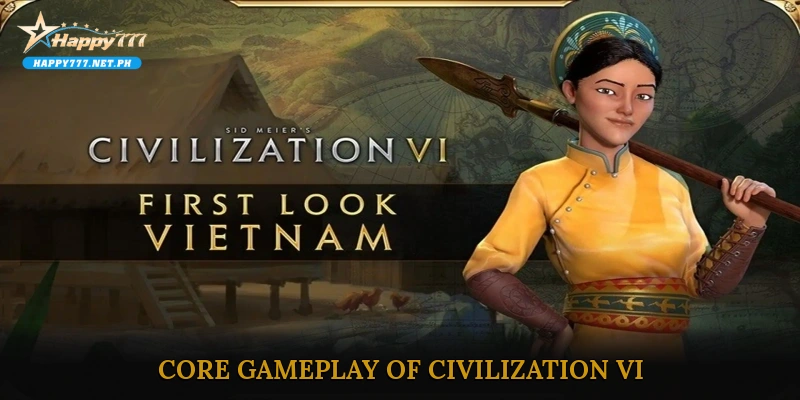
Civilization is a turn-based strategy game that emphasizes careful planning, resource management, and tactical decision-making. Each turn allows players to move armies, construct buildings, conduct research, or engage in diplomacy, giving them time to weigh their options and craft long-term strategies without the pressure of real-time action.
Turn-Based Strategy Mechanics
In Civilization, time is divided into discrete turns rather than flowing continuously. This system enables players to analyze the battlefield, optimize city development, and consider diplomatic moves thoroughly before committing to any action. Each decision—whether moving units, negotiating with rivals, or exploring terrain—can have a lasting impact on the growth and survival of your civilization.
Civilizations and Leaders
The game features over 50 unique civilizations, each led by a historical figure with special abilities and units. Choosing the right leader can shape your approach to expansion, warfare, and diplomacy. For example:
- Egypt – Cleopatra: Excels in trade and benefits from building near rivers.
- Japan – Hojo Tokimune: Balanced military and religious strengths.
- United States – Teddy Roosevelt: Strong defensive military capabilities and continental protection.
Selecting a civilization that aligns with your preferred strategy is essential for maximizing efficiency and success in the game.
City and Resource Management
Civilization VI introduces the district system, requiring players to allocate land for specialized city districts such as science, culture, or commerce. Strategic placement affects production, research output, and military efficiency.
- Science: Unlocks new technologies, advanced weapons, and infrastructure.
- Culture: Provides access to policies, arts, and religion.
- Military: Protects your territory and enables offensive operations against rivals.
Balancing these elements is key to maintaining a thriving civilization and preparing for mid- and late-game challenges.
Victory Conditions
Players can pursue multiple victory paths depending on their strategy:
- Scientific Victory: Be the first civilization to reach and colonize Mars.
- Cultural Victory: Attract the most international tourists through culture and arts.
- Religious Victory: Spread your chosen religion globally.
- Domination Victory: Capture all rival capitals through military conquest.
- Score Victory: Achieve the highest overall score by game’s end.
This diversity in objectives ensures that every game of Civilization VI is unique, rewarding creativity, careful planning, and adaptive strategies.
See more: XCOM 2
Beginner’s Guide to Playing Civilization VI
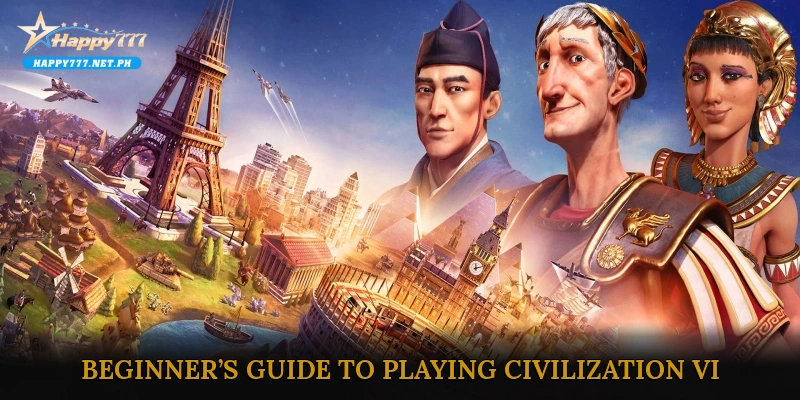
Civilization VI offers a rich strategy experience, and newcomers can get started smoothly by understanding core mechanics and planning carefully. Even as a beginner, making thoughtful choices early can shape the success of your civilization throughout the game.
Starting Your First Game
For your initial playthrough, select an easier difficulty level such as Settler or Chieftain. These settings reduce the pressure from AI opponents, allowing you to focus on learning game mechanics. Choosing a balanced civilization like the United States or Rome helps provide versatility in expansion, military, and resource management, making it easier to adapt to early challenges.
Managing Resources and Expanding Territory
Resources in Civilization VI include gold, food, production, and science. Proper management ensures steady growth and sustainable development:
- Build Settlers early: Establish new cities to increase your civilization’s influence and access additional resources.
- Utilize Builders: Improve tiles and harvest natural resources to boost production and growth.
- Prioritize Luxury Resources: Increase citizen happiness, which enhances productivity and prevents unrest.
Expanding efficiently while maintaining a balance between growth and stability is essential for long-term success.
Diplomacy and Warfare
Civilization VI emphasizes both cooperative and competitive strategies, blending diplomacy and military planning.
Alliances and Trade
Form alliances and establish trade agreements to secure additional resources. For instance, trading with Egypt can generate extra gold, taking advantage of Cleopatra’s special abilities. Diplomatic relations can also open pathways for technology exchange, joint military support, or cultural influence.
Effective Defense and Attack
Key principles for military strategy include:
- Position troops strategically: Keep units near borders to deter enemy advances.
- Construct walls early: Fortify cities to withstand invasions and buy time for reinforcements.
- Use terrain wisely: Hills, forests, and rivers provide natural advantages during battles, enhancing both defense and offensive maneuvers.
By mastering these fundamentals, new players can navigate the complexities of Civilization effectively, setting the stage for a strong, thriving civilization that can adapt to changing challenges and opportunities.
Key Strategies in Civilization VI
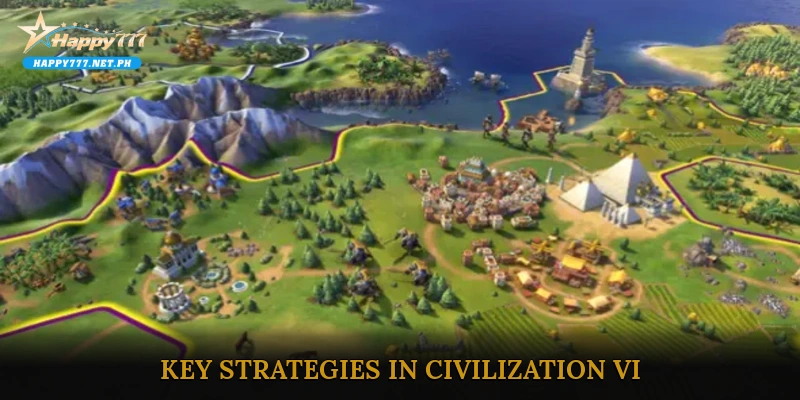
Civilization VI offers multiple paths to victory, each requiring careful planning and prioritization. Understanding how to balance science, military, culture, and diplomacy is essential for building a strong civilization that can thrive against AI or human opponents.
Science-Focused Strategy
Investing in science early gives your civilization a technological edge over rivals. Unlocking advanced units and infrastructure faster allows you to dominate in both development and warfare. For instance, placing Campus districts near mountains or rainforests boosts science output significantly. Efficient research prioritization ensures access to cutting-edge weapons, buildings, and wonders, shaping your civilization’s future.
Military-Centered Strategy
A military-focused approach requires prioritizing production and strategic resource management. Players should:
- Build multiple Encampment districts to produce and train troops.
- Research military technologies early to gain a technological advantage.
- Execute surprise attacks when opponents have not yet upgraded their armies.
This strategy is especially effective when you aim to dominate through force and secure key territories before rivals can respond.
Culture and Diplomacy Strategy
For players preferring a peaceful path, focusing on culture and diplomacy can lead to victory without direct conflict. Developing arts, tourism, and cultural districts attracts international visitors, enhancing your civilization’s global influence. Forming alliances and trade agreements reduces pressure from aggressive neighbors while boosting your resources and political leverage.
Combining Strategies for Optimal Success
Advanced players often blend multiple strategies to maximize outcomes. For example, emphasizing science can unlock superior military units, while simultaneously cultivating culture and diplomacy to defend against invasions. This hybrid approach provides flexibility, allowing you to adapt to changing circumstances and exploit opportunities as they arise.
Civilization VI offers an unparalleled strategy experience, challenging players to think critically, manage resources, and lead their empire to greatness. Every choice—from diplomacy to warfare—can alter the course of history, rewarding careful planning and long-term vision. Its rich gameplay ensures that no two sessions are ever the same. Platforms like HAPPY777 further showcase its popularity, making Civilization a must-play for anyone seeking deep, engaging, and endlessly replayable strategic adventures.





